Menu
Same-Day Service Available!
Many homeowners focus on visible dirt when cleaning their carpets, but allergens are often the bigger concern and the hardest to spot. Carpets act like a filter for the home, trapping dust, pollen, pet dander, and other microscopic particles that settle deep into the fibers. Even when a room looks clean, allergens can continue to build up below the surface.
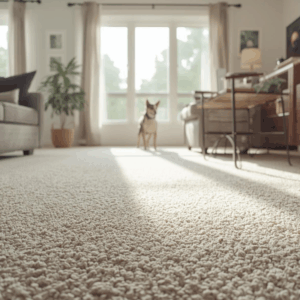
Everyday life contributes to this problem more than most people realize. Shoes track in outdoor allergens, pets shed dander, and normal household activity stirs particles into the air that eventually settle into carpeted areas. Over time, these allergens accumulate and become embedded, where routine vacuuming cannot fully remove them.
Families with pets, children, or allergy-sensitive individuals may notice symptoms like sneezing, stuffy air, or discomfort indoors without immediately connecting the issue to their carpets. This is because allergens do not always create stains or odors. Instead, they quietly affect indoor comfort and air quality as they continue to build up.
Understanding how allergens collect in carpets is the first step toward managing them effectively. In this guide, we will explain where carpet allergens come from, why common cleaning methods fall short, and what types of cleaning approaches actually help reduce allergen buildup for a cleaner, more comfortable home.
Carpets naturally collect allergens because of how they are made. The same fibers that make carpet soft and comfortable also allow tiny particles to settle in and stay there. Over time, these allergens build up layer by layer, even in homes that are cleaned regularly.
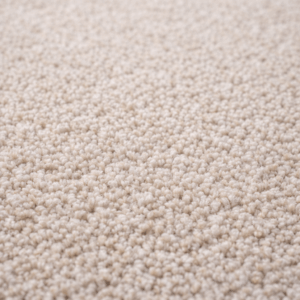
Every day, airborne particles settle into carpet fibers. Once they drop below the surface, they are difficult to remove with routine cleaning.
Common allergens that collect in carpets include:
Each step across the carpet presses these particles deeper into the fibers.
High-traffic areas build up allergens faster than low-use rooms. Walking across the carpet repeatedly forces particles down, where vacuums struggle to reach.
This is why allergens often concentrate in:
Even carpets that look clean on top can hold significant buildup below.
Pets and shoes are two of the biggest contributors to allergen buildup.
They introduce:
Once inside, these allergens settle into carpeted areas and remain there unless removed properly.
Vacuuming is essential, but it mainly removes loose surface debris. Fine particles and allergens often stay embedded in the carpet.
Signs vacuuming is not enough include:
This buildup happens slowly, which is why many homeowners do not notice it right away.
Understanding how allergens collect explains why deeper cleaning methods are sometimes needed. In the next section, we will look at how allergen buildup can affect indoor comfort and why certain households feel the impact more than others.
Allergens trapped in carpet do not stay contained to the floor. As people move through the home, these particles can become airborne again, affecting how the space feels and how comfortable it is to spend time indoors.
Walking, sitting, and even vacuuming can stir allergens back into the air. Once airborne, these particles circulate throughout the room before settling again into carpet fibers.
This can lead to:
Because the process repeats daily, allergens continue cycling through the home.

Rooms used most often tend to show the effects of allergen buildup sooner than others. Living rooms and bedrooms are common problem areas because people spend more time there.
Homeowners may notice:
These changes are gradual and easy to overlook at first.
Households with pets or children often experience higher allergen levels. Pets shed dander daily, and children spend more time on the floor, increasing movement and particle release.
This can cause:
Allergen-related discomfort does not always feel consistent. Some days are worse than others, especially when weather, humidity, or activity levels change.
This inconsistency makes it difficult to identify carpets as the source, even though they often play a major role.
Understanding how allergens affect indoor comfort helps explain why addressing carpet buildup is important. In the next section, we will look at why common cleaning methods often fall short when it comes to reducing allergens in carpets.
Many homeowners clean their carpets regularly and are surprised to learn that allergens can still remain. The issue is not effort, but limitations. Most routine cleaning methods are designed to improve appearance, not remove deeply embedded particles.
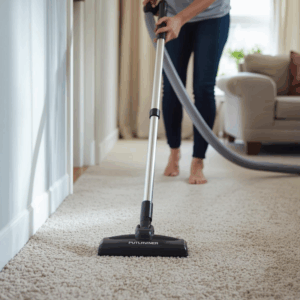
Vacuuming is an important part of carpet care, but it mainly addresses what sits on top of the fibers. Fine particles and allergens often settle deeper, beyond the reach of standard household vacuums.
Vacuuming alone may leave behind:
This is why allergens can persist even with frequent vacuuming.
Spot cleaning targets stains and spills, which makes it useful for appearance but limited for allergen control. Allergens are usually spread throughout the carpet, not confined to one visible area.
Relying on spot cleaning can mean:
Surface-level solutions do not address what is embedded below.
Certain carpet cleaners leave behind residue after drying. While this residue may not be visible, it can attract more dust and allergens over time.
Residue-related issues include:
Instead of reducing allergens, residue can make the problem worse.
DIY cleaning methods often involve adding water to the carpet. Without proper removal, moisture stays behind and holds particles in place.
This can lead to:
When moisture is not controlled, allergens become harder to remove.
Understanding these limitations helps explain why routine methods sometimes fall short. In the next section, we will look at what types of cleaning approaches actually help reduce allergen buildup in carpets.
Reducing allergens in carpets requires methods that go beyond surface cleaning. The most effective approaches focus on removing embedded particles, limiting residue, and controlling moisture so allergens are less likely to settle back in.
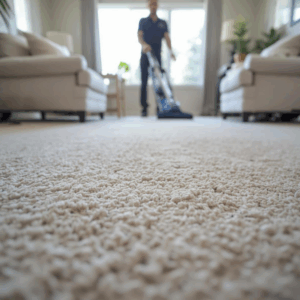
Allergen reduction starts with lifting particles out of the carpet, not just loosening them. Effective deep cleaning targets what is trapped beneath the surface where allergens collect.
This helps:
When particles are extracted instead of redistributed, allergen levels drop more noticeably.
Residue left behind after cleaning can attract dust and allergens quickly. Methods that minimize or eliminate residue help keep carpets cleaner longer.
Benefits of residue-free cleaning include:
Cleaner fibers are less likely to trap new particles.
Moisture control is critical. When carpets dry quickly and thoroughly, allergens have fewer opportunities to settle or reactivate.
Effective moisture control helps:
Proper drying supports healthier indoor comfort.
Aggressive cleaning is not necessary for allergen control. Consistent, well-timed cleaning is more effective than infrequent, heavy treatments.
A balanced approach includes:
This combination helps keep allergen levels lower over time.
Understanding which methods actually help makes it easier to choose the right care for your home. In the next section, we will discuss when professional carpet cleaning becomes the most effective option for managing allergens.
Routine care helps, but there are times when allergens build up beyond what household cleaning can manage. Knowing when to bring in professional carpet cleaning helps prevent ongoing discomfort and keeps allergen levels from continuing to rise.
Allergen buildup is not always visible. Many homeowners only realize there is a problem when comfort inside the home starts to change.
Common signs include:
These signs usually point to buildup below the surface.
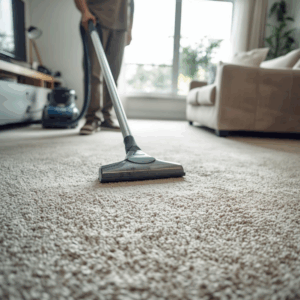
Professional carpet cleaning methods are designed to remove embedded particles, not just loosen them. This makes a noticeable difference when allergens are involved.
Professional cleaning helps:
This deeper approach helps reset carpet condition rather than layering cleaning attempts.
Some households naturally experience higher allergen levels due to lifestyle and daily activity.
Professional cleaning is especially helpful for:
In these situations, periodic professional care helps maintain a healthier indoor environment.
Once allergens are reduced through deeper cleaning, ongoing care becomes simpler. Carpets stay cleaner longer and are easier to maintain with routine vacuuming and light upkeep.
Choosing professional carpet cleaning at the right time helps prevent allergens from quietly building back up and affecting indoor comfort.
While deeper cleaning plays a key role in allergen control, daily habits also matter. Small adjustments in how carpets are cared for can help limit how quickly allergens build up between professional cleanings.
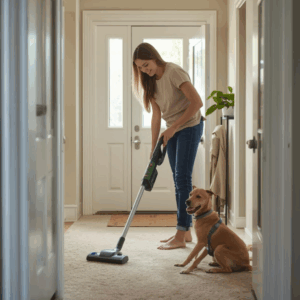
Regular vacuuming helps manage surface-level allergens before they settle deeper into carpet fibers. Consistency is more important than intensity.
Helpful habits include:
This helps reduce loose particles that would otherwise be pressed into the carpet.
Many allergens enter the home from outside. Reducing what gets tracked inside helps slow buildup.
Simple steps include:
Less tracked-in debris means fewer allergens settling into carpets.
Moisture can cause allergens to cling to carpet fibers more easily. Prompt attention helps prevent particles from becoming trapped.
When spills happen:
Dry carpets are less likely to hold onto allergens.
Some household carpet products leave behind residue that attracts dust and allergens.
To reduce buildup:
Keeping fibers residue-free helps slow allergen accumulation.
Daily habits help manage allergens, but they work best when combined with deeper cleaning at the right time. Together, these approaches make carpets easier to maintain and more comfortable over the long term.
Carpets commonly trap dust, pollen, pet dander, and fine debris that settles from the air and foot traffic.
Yes. Allergens can build up below the surface without visible stains, affecting how fresh and comfortable a room feels.
Vacuuming helps with surface debris, but it cannot remove deeply embedded allergens on its own.
Usually, yes. Pets shed dander regularly, which can build up quickly in carpet fibers.
Yes. As people walk across carpeted areas, allergens can become airborne and circulate through the room.
Scented products may mask odors, but they do not remove allergens and can leave residue that attracts more particles.
Humidity can make allergens cling more easily to carpet fibers and may worsen indoor discomfort.
Most homes benefit from deeper carpet cleaning every 6 to 12 months, depending on traffic and household conditions.
Yes. Living rooms, bedrooms, hallways, and entryways usually collect allergens faster due to frequent use.
If routine cleaning does not improve indoor comfort or allergens seem to return quickly, professional cleaning is often the best next step.
Carpets play a larger role in indoor comfort than many homeowners realize. While they add warmth and softness to a home, they also act as a collection point for allergens that build up slowly over time. Dust, pollen, pet dander, and everyday debris can settle deep into carpet fibers, remaining long after routine cleaning is done.
Understanding how allergens build up makes it easier to manage them effectively. Vacuuming and spot cleaning are important habits, but they are often not enough on their own. When allergens become embedded below the surface, deeper cleaning methods are needed to remove them and prevent them from circulating back into the air.
Choosing the right carpet care approach helps create a cleaner, more comfortable living space for everyone in the home. When allergen buildup continues despite regular upkeep, professional carpet cleaning can help reset carpet condition and make ongoing maintenance easier. Schedule now to take the next step toward cleaner carpets and a fresher home environment.